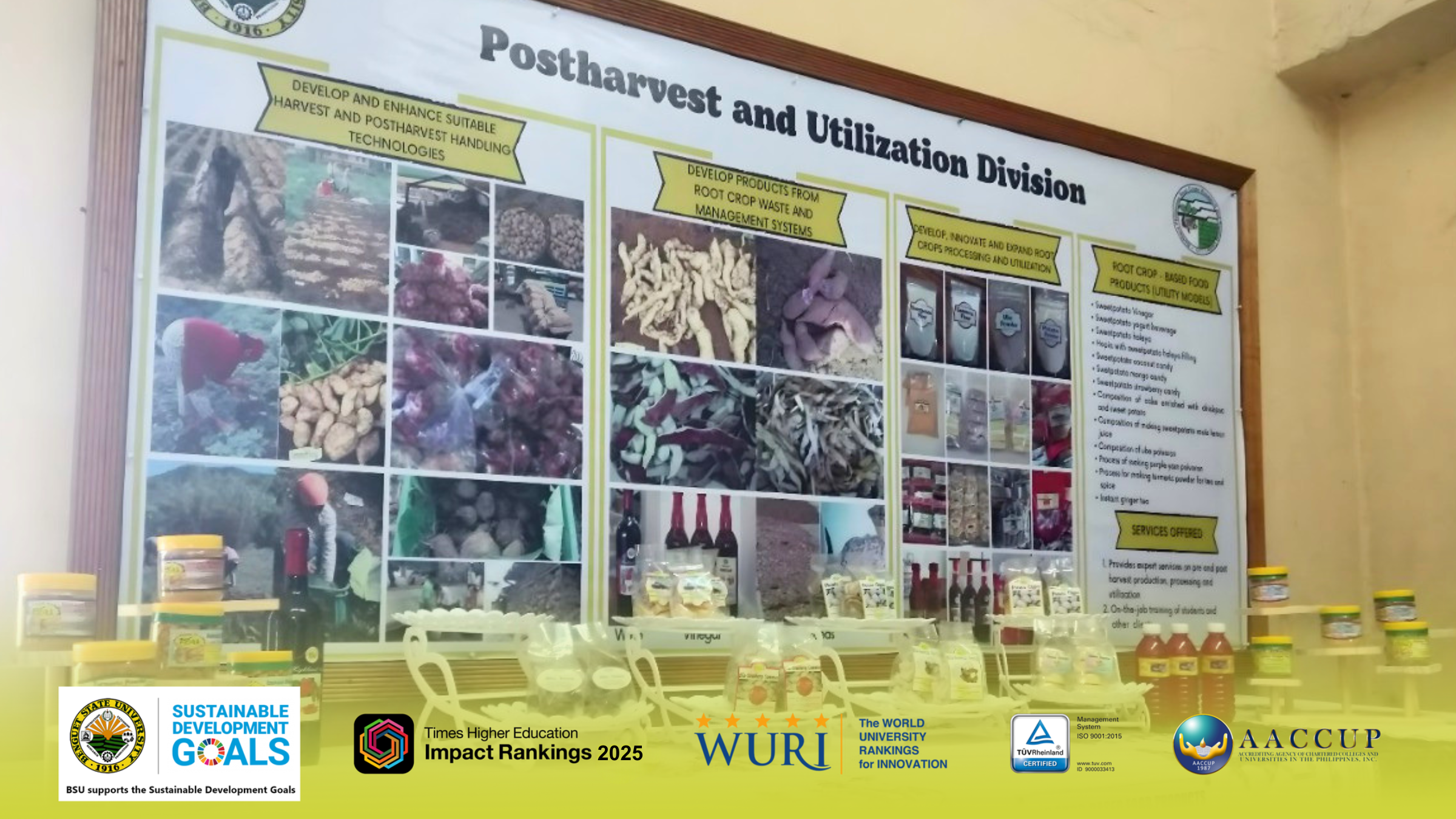
The Northern Philippines Root Crops Research and Training Center (NPRCRTC) is set to celebrate its 49th anniversary with the theme “Innovating, Serving, and Transforming,” featuring a series of activities aimed at advancing agricultural research and supporting the farming community. The celebration begins with a week-long Open House and Facility Tour from March 16 to 23, 2026, at the first floor of the NPRCRTC Building, where the public can explore the center’s latest developments from 8:00 AM to 5:00 PM daily. This milestone event highlights nearly five decades of the center’s commitment to excellence in root crop technology and its continued role in transforming the agricultural landscape of the region.
The festivities culminate on March 23, 2026, with a specialized technical program that includes a morning webinar and an afternoon diagnostic session. From 8:00 AM to 12:00 NN, the center will host the NPRCRTC Anniversary Forum via Zoom and Facebook Live, featuring international and local experts. Speakers include Maxime Bonnave, who will discuss Late Blight Management; Mei Gou from the Heilongjiang Academy of Agricultural Sciences, who will tackle Disease Forecasting; and Rowena F. Billig of the Fertilizer and Pesticide Authority (FPA-CAR), who will provide vital updates on pesticide and herbicide regulations. The anniversary activities will conclude in the afternoon with a session on Disease Diagnosis on Root and Tuber Crops from 1:00 PM to 5:00 PM, providing participants with practical insights into crop health.
By facilitating the exchange of advanced agricultural knowledge and promoting innovative farming solutions, this anniversary celebration directly supports SDG 2 (Zero Hunger) and SDG 9 (Industry, Innovation, and Infrastructure) through the enhancement of food security and scientific research. Furthermore, the focus on disease management and regulated chemical use contributes to SDG 12 (Responsible Consumption and Production) and SDG 13 (Climate Action) by encouraging sustainable agricultural practices and increasing the resilience of local crops against environmental challenges.//NPRCRTC